

Dannenberg District Court
In a New Robe
Renovation of a historic complex in Dannenberg
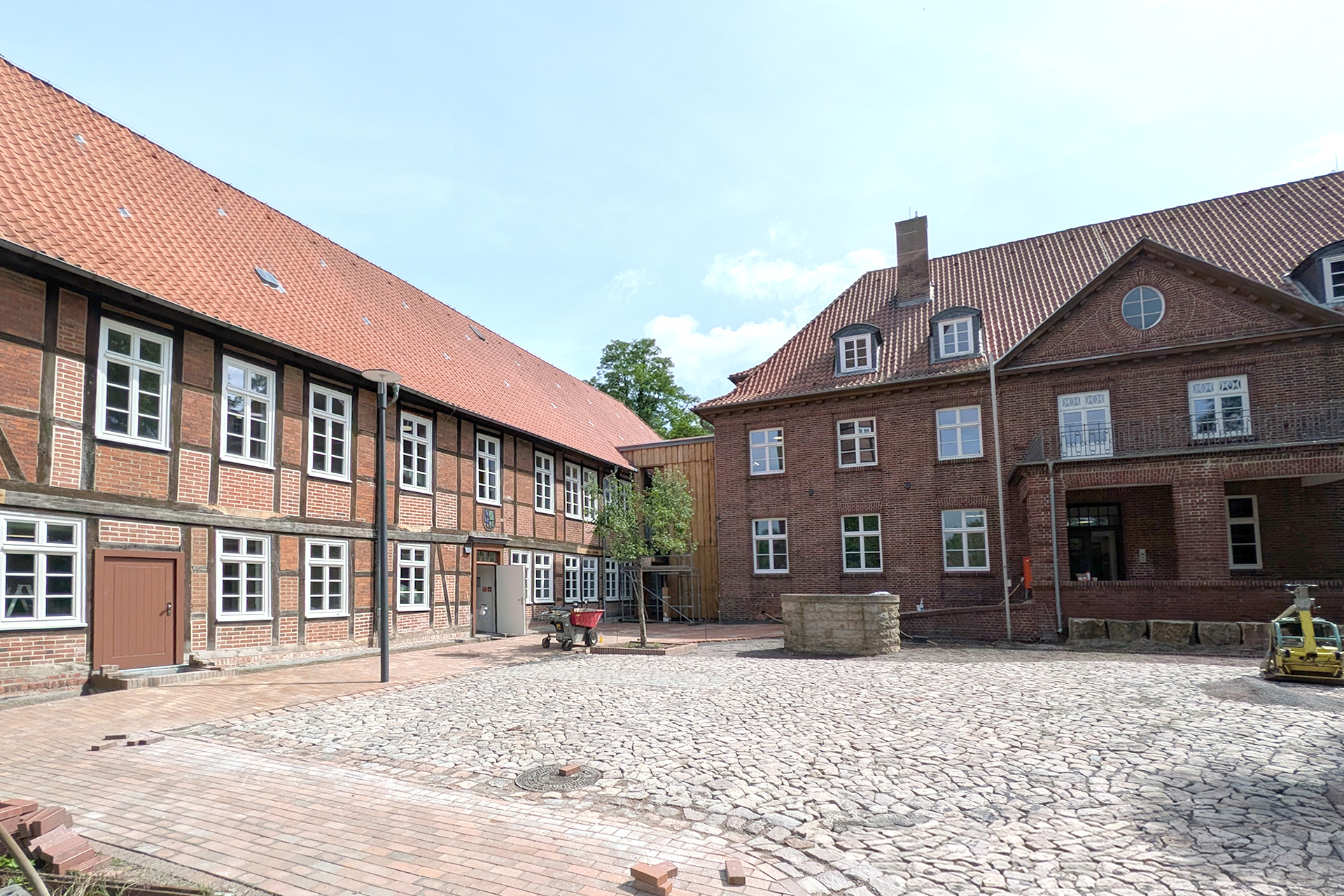
Renovation of the District Court
Dannenberg (Elbe)
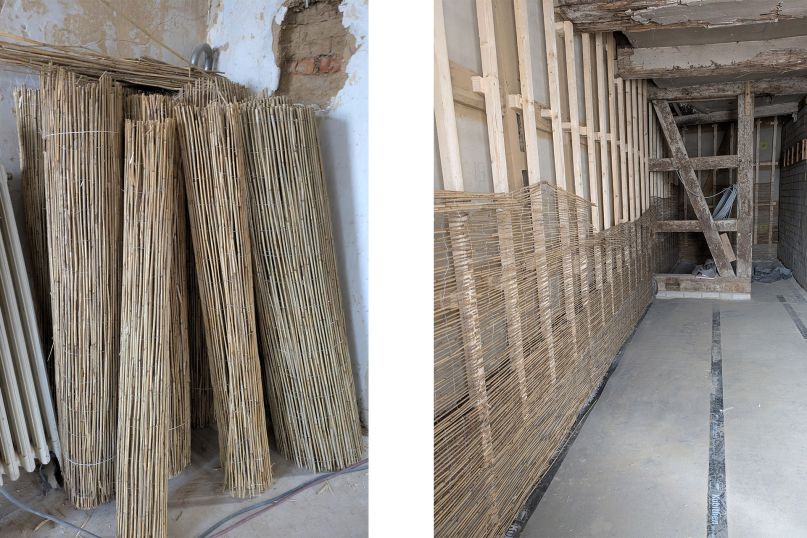
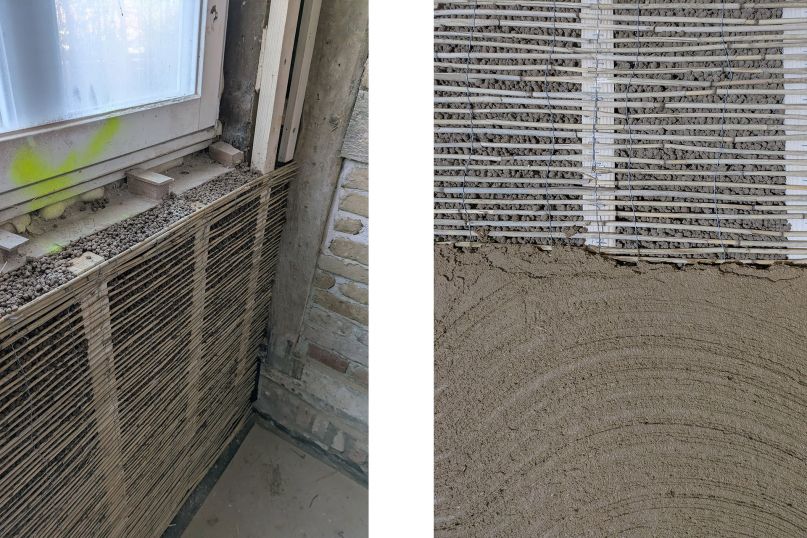
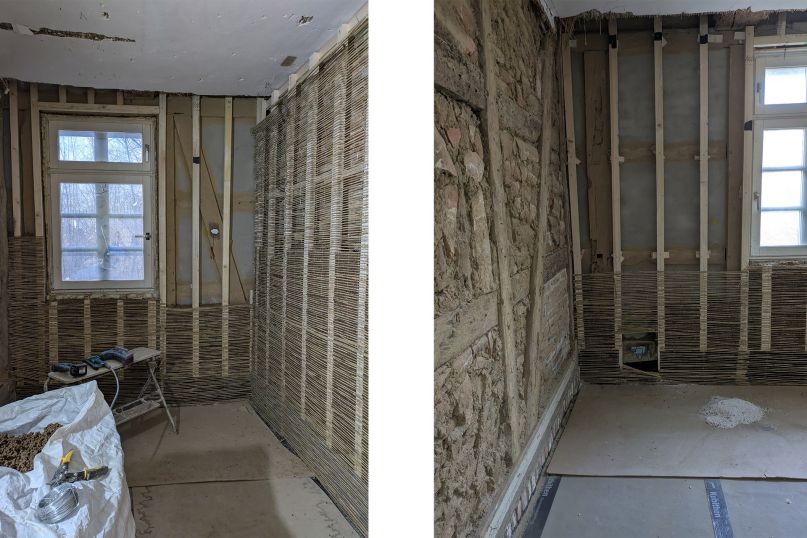
Following extensive underpinning of the buildings, the complex underwent a comprehensive renovation. The half-timbered building from 1847 was insulated with lightweight clay and finished with clay plaster. The solid-construction building from 1913 was retrofitted for energy efficiency. Both buildings are now connected by a new structure featuring an elevator and a stairwell for barrier-free access.
With its newly designed outdoor spaces and the Waldemar Tower, the complex on the Amtsberg invites visitors to the courthouse.
| Status completed |
Category Refurbishment |
| Location Dannenberg (Elbe) |
Size 1.860 m² |
| Project Phases 3-8 |
Time 2024 - 2026 |
A New Robe
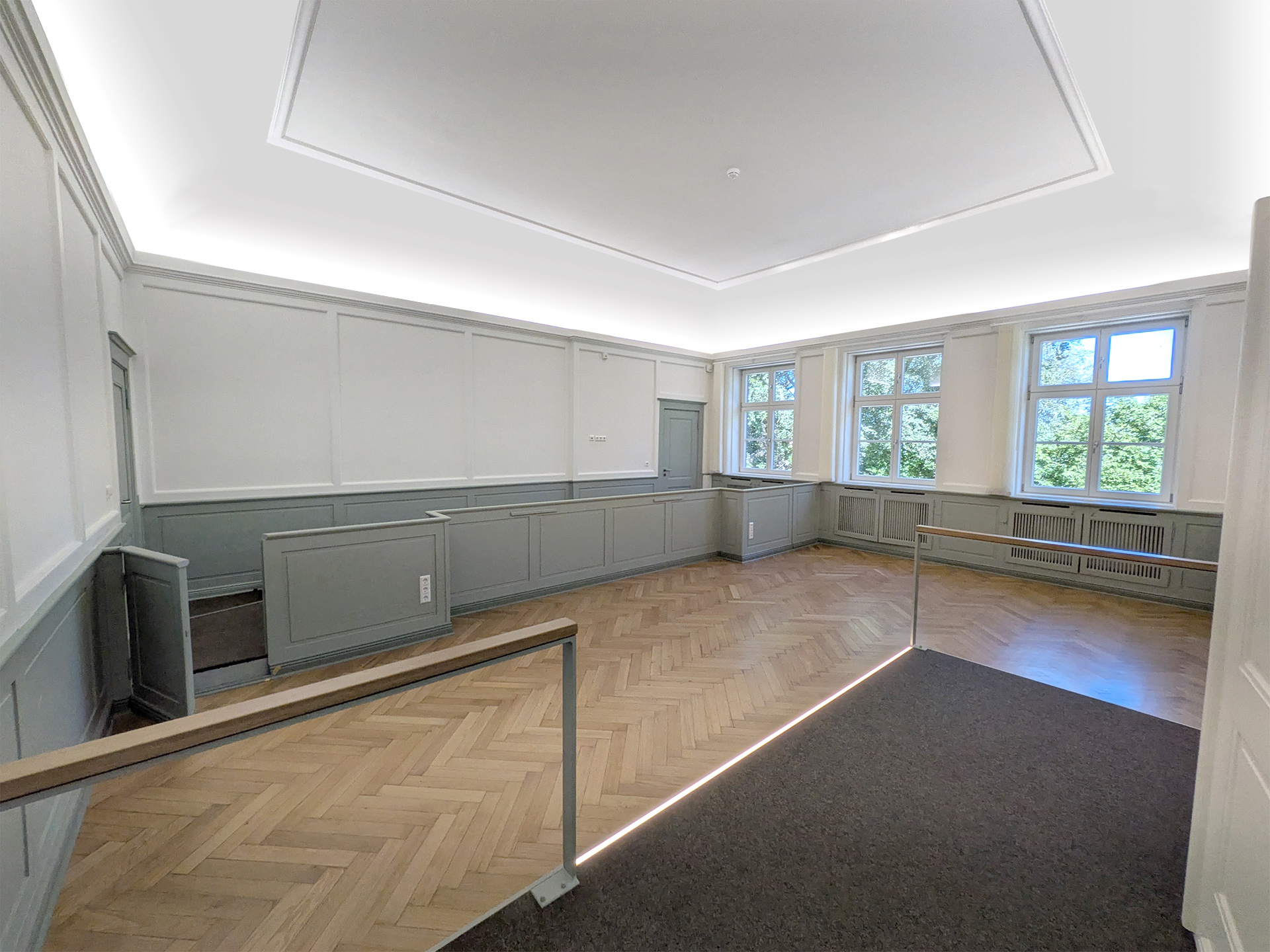
Court proceedings will now take place in a new setting: the subdued color scheme of the Great Hall at the Dannenberg District Court.
Its new look is based on historical color schemes and pays homage to the 1960s, when the former ballroom began serving as a courtroom.
The interplay of the gray-green paneling, the oak herringbone parquet, and the white wall design creates a harmonious triad that lends the room an almost meditative atmosphere.
Ratio et
Passio
Cool rationality meets earthy warmth:
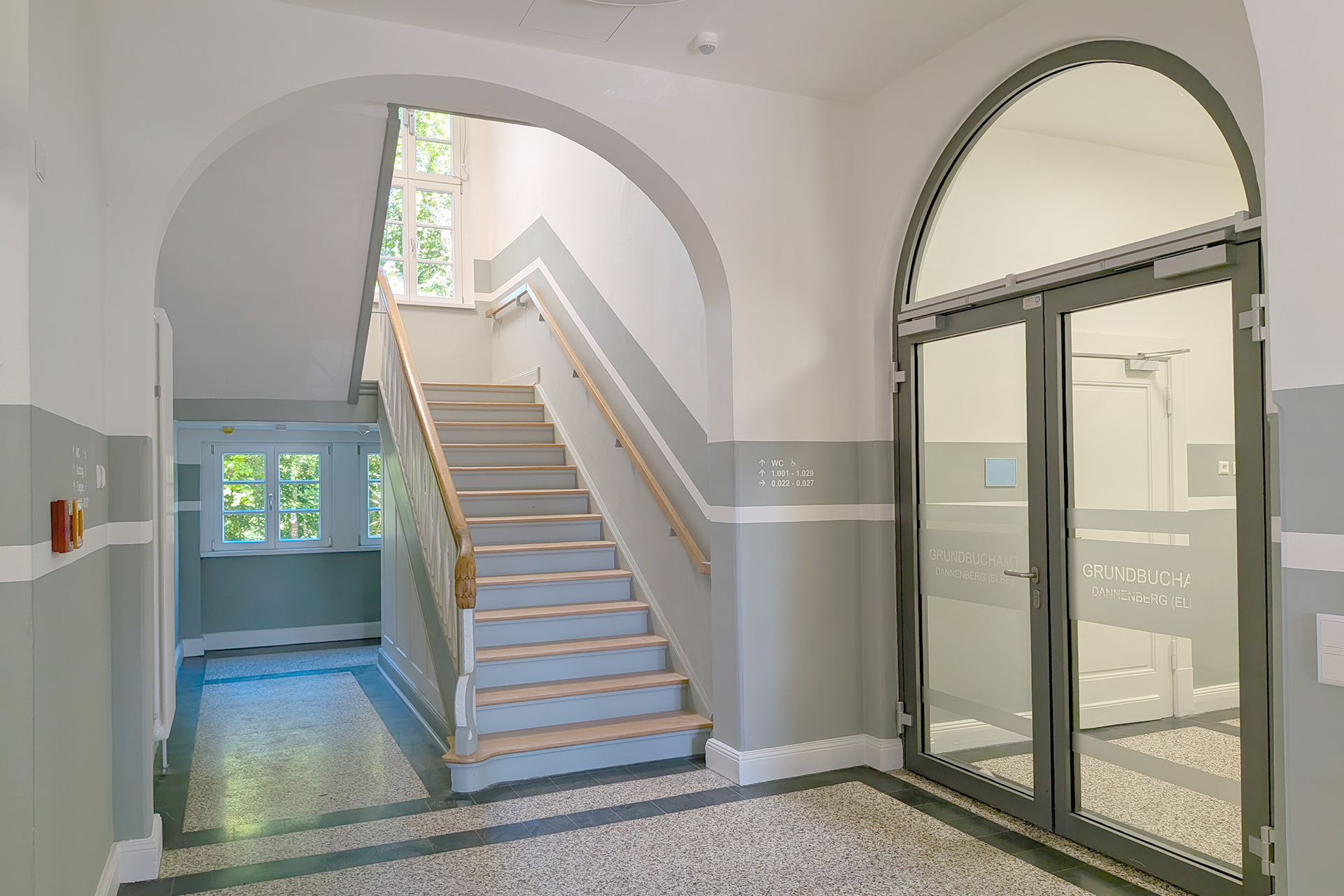
In the solid structure, dendrochronological analyses revealed the gray-green hue from the 1960s—the period when the two historic buildings were first used as courthouses.
This revealed a colored base with a trim strip, which the solid structure interprets in a contemporary way, thereby referencing its own history.
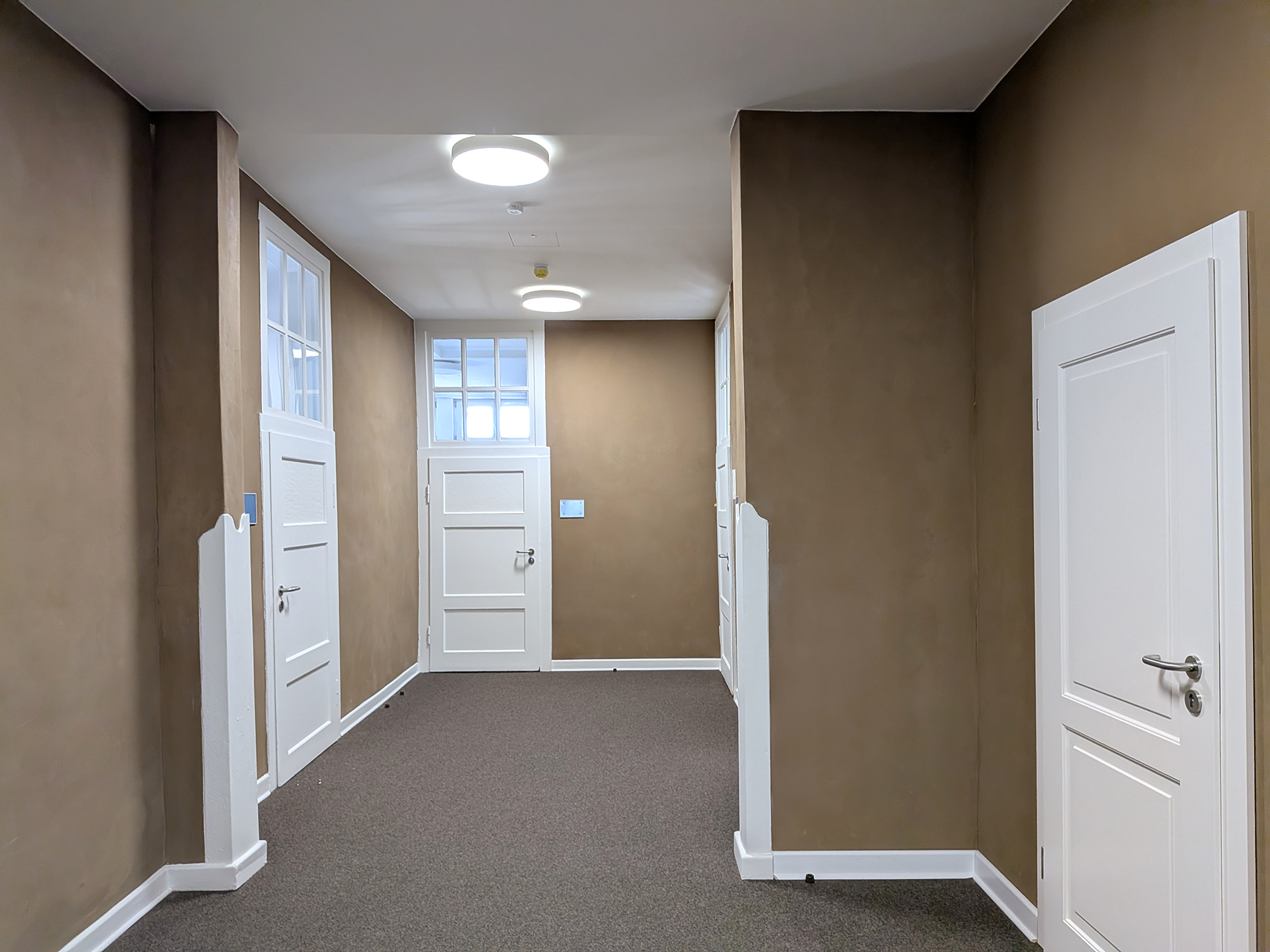
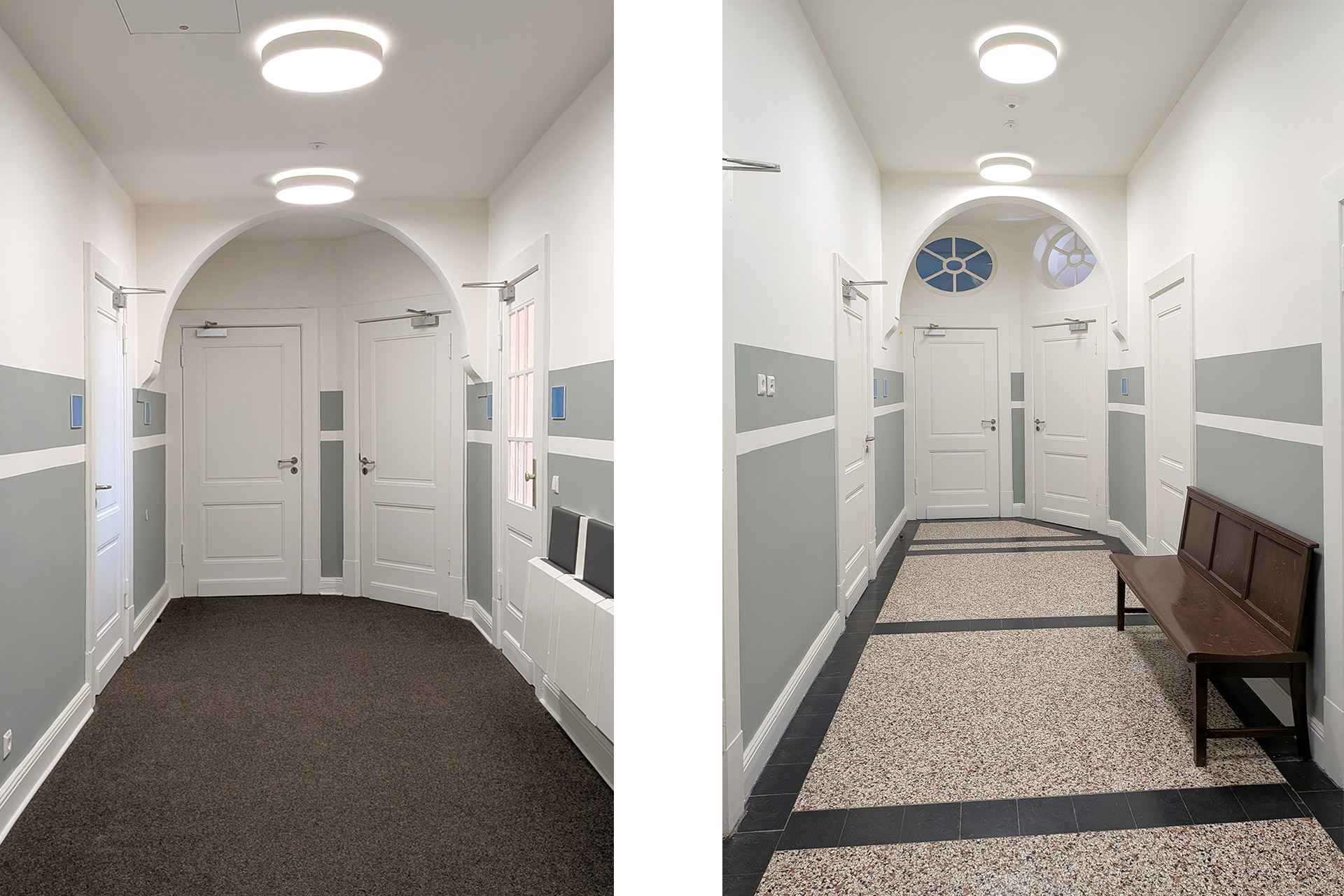
In the half-timbered building, however, the adobe walls create tactile, vibrant surfaces—they were constructed using traditional methods and reflect traditional craftsmanship.
All in all, this stimulates not only the intellect and the senses
—in equal measure—among heritage preservationists ...
Treasure
troves
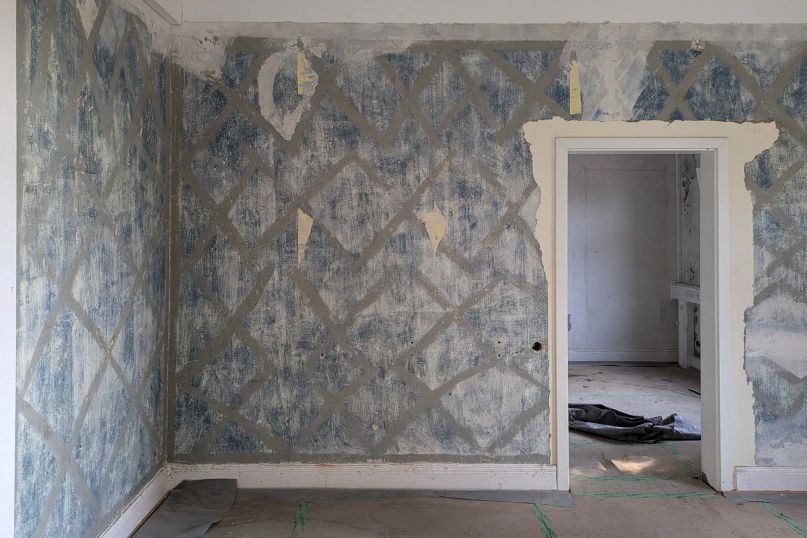
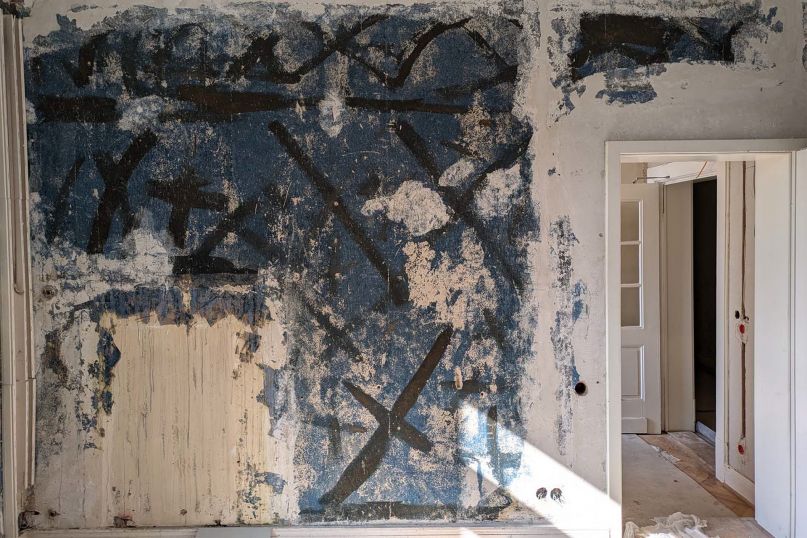
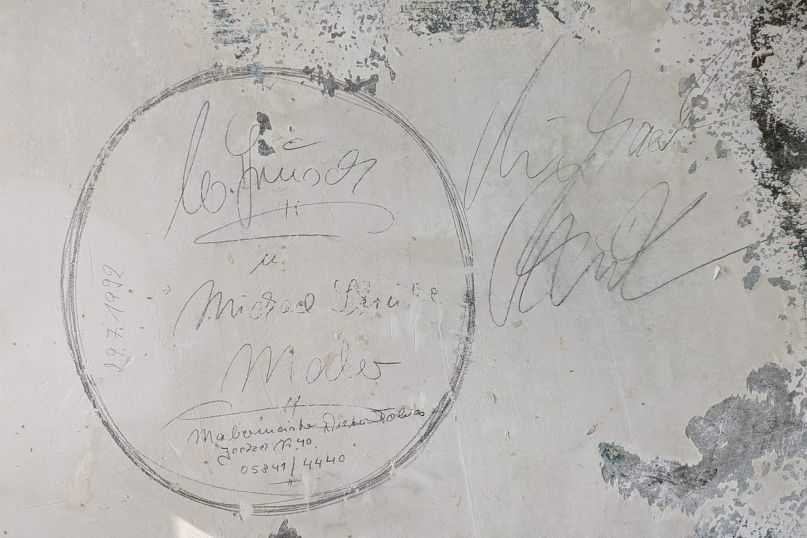
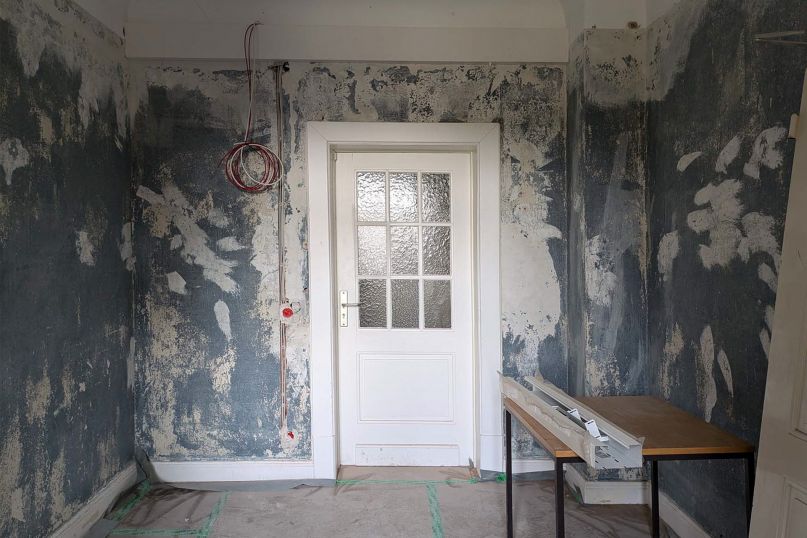
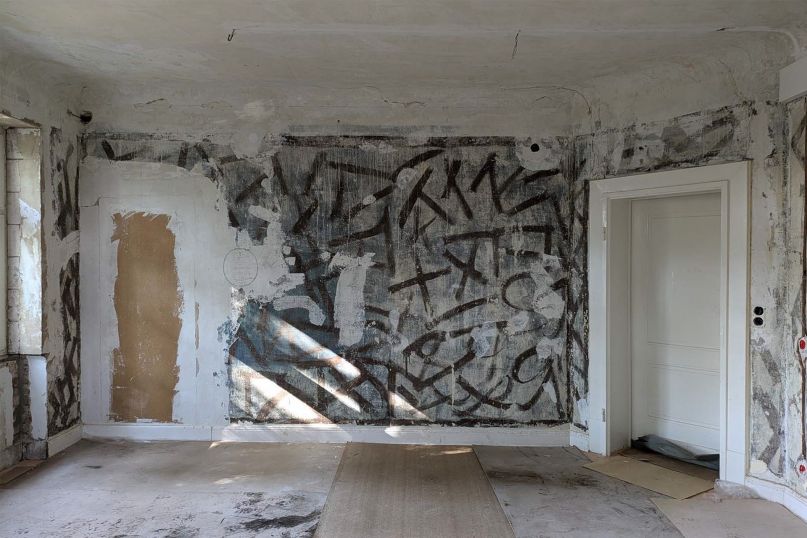
Uncovering what lies beneath is an exciting process that often brings unexpected discoveries to light.
Reframed
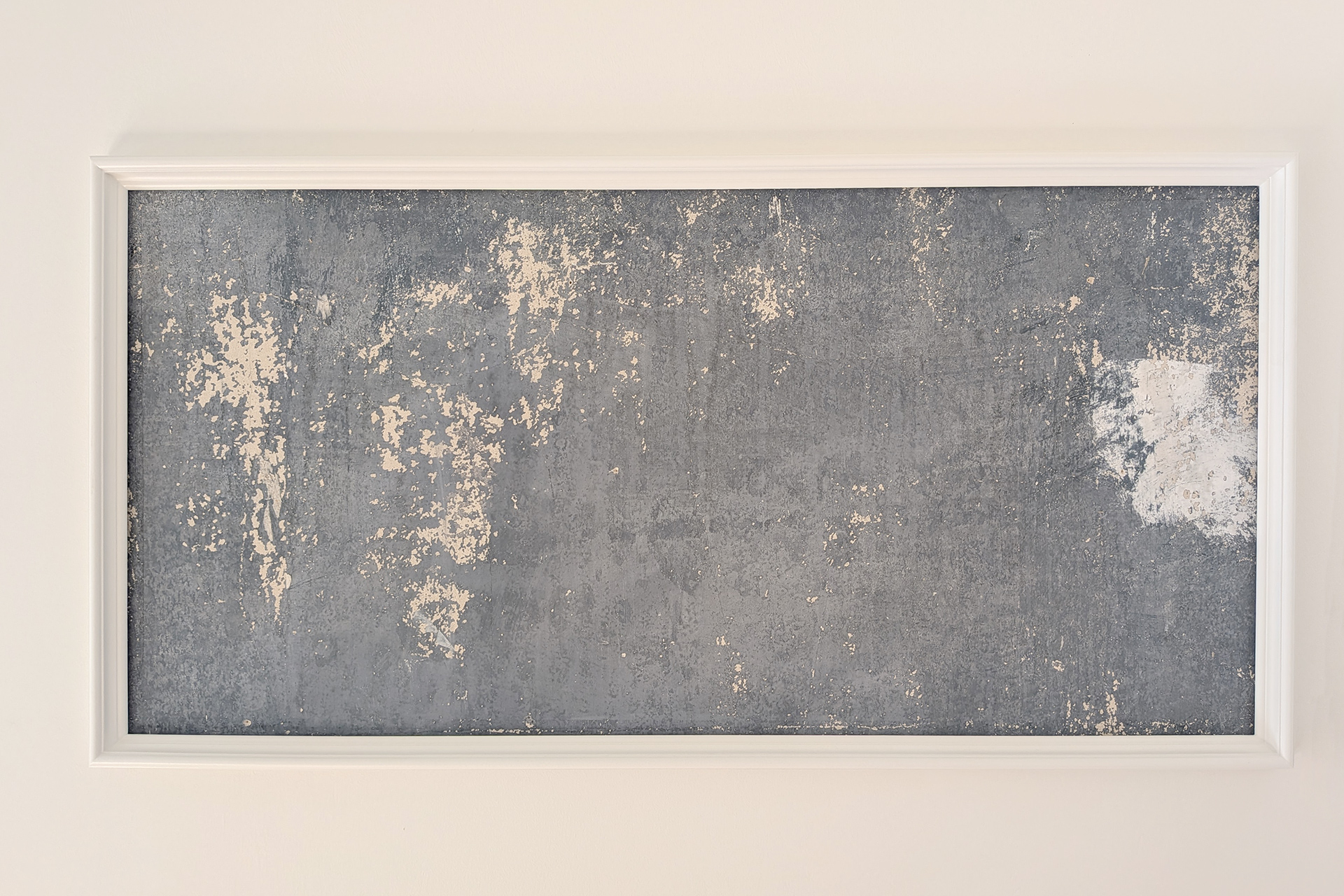
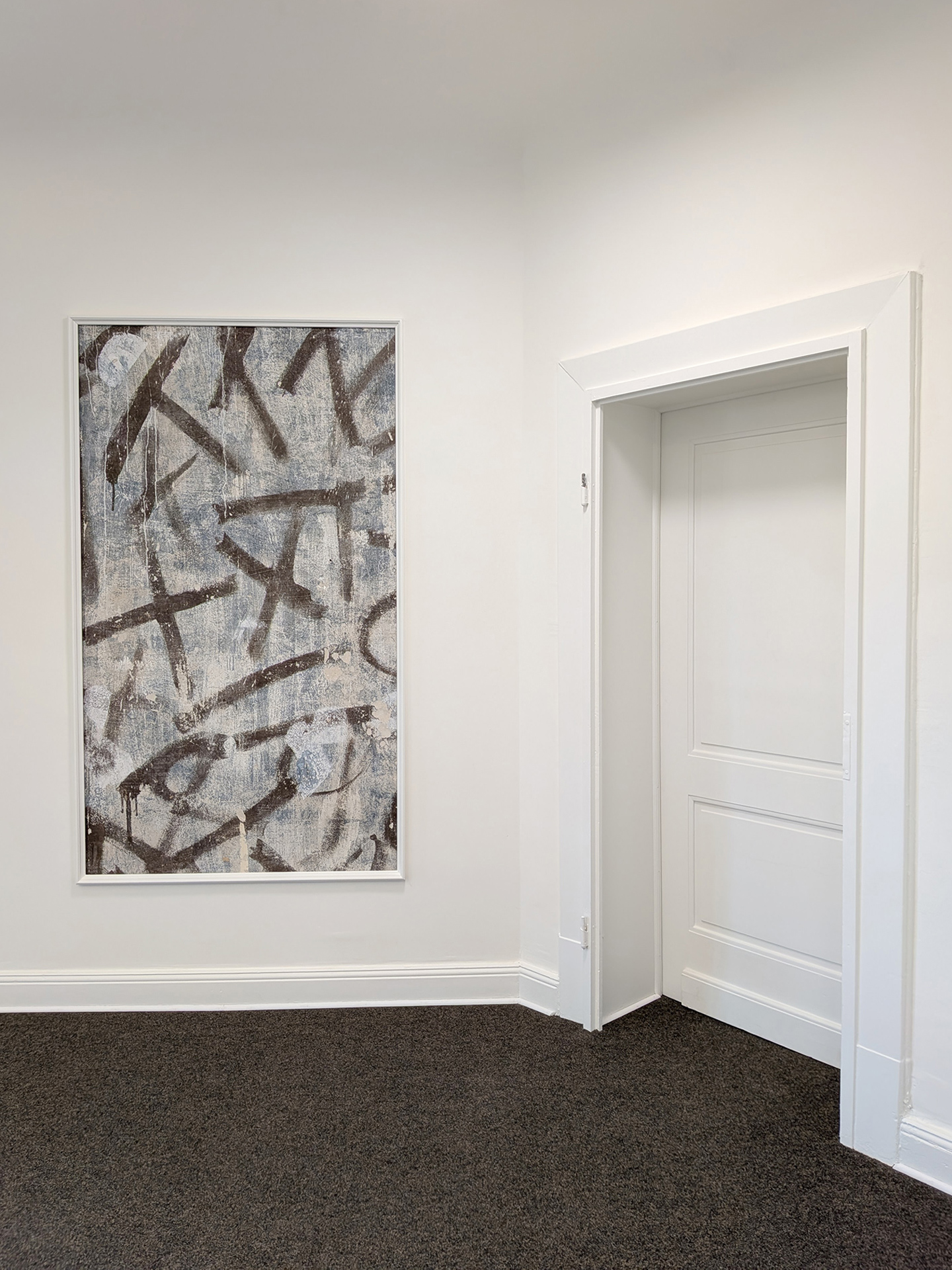
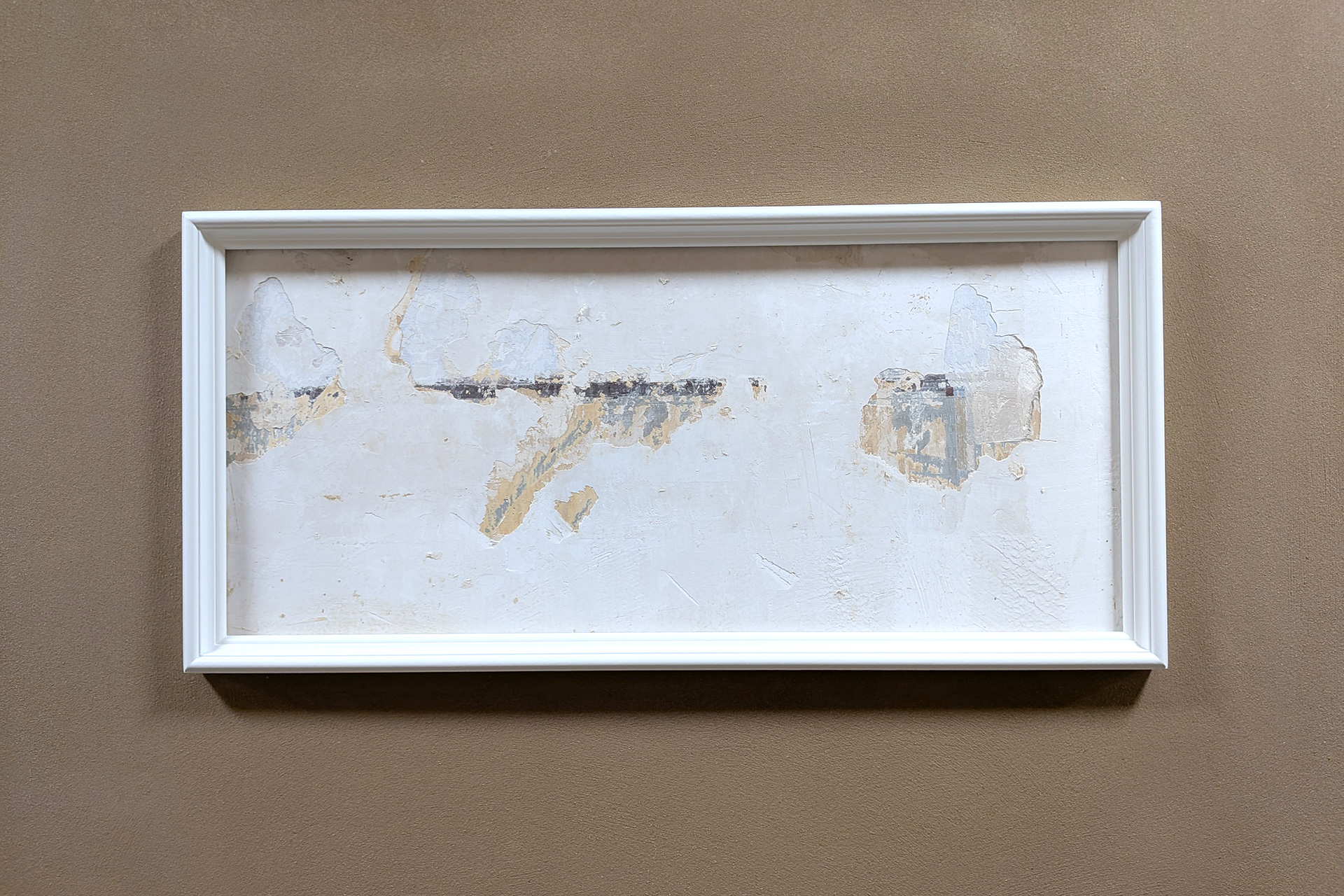
The exposed layers of paint are like abstract art - and tell their own very concrete story: in layers of time that are deliberately incorporated into the composition and find their place in hallways and offices alike.
Here: a psychedelic-looking painting reminiscent of the church in Tripkau. There: a historical baseboard painting that served as a model for the solid-core construction—or sometimes simple coats of paint that bring to mind old chalkboards, as the client aptly noted.
Wood Stone Clay
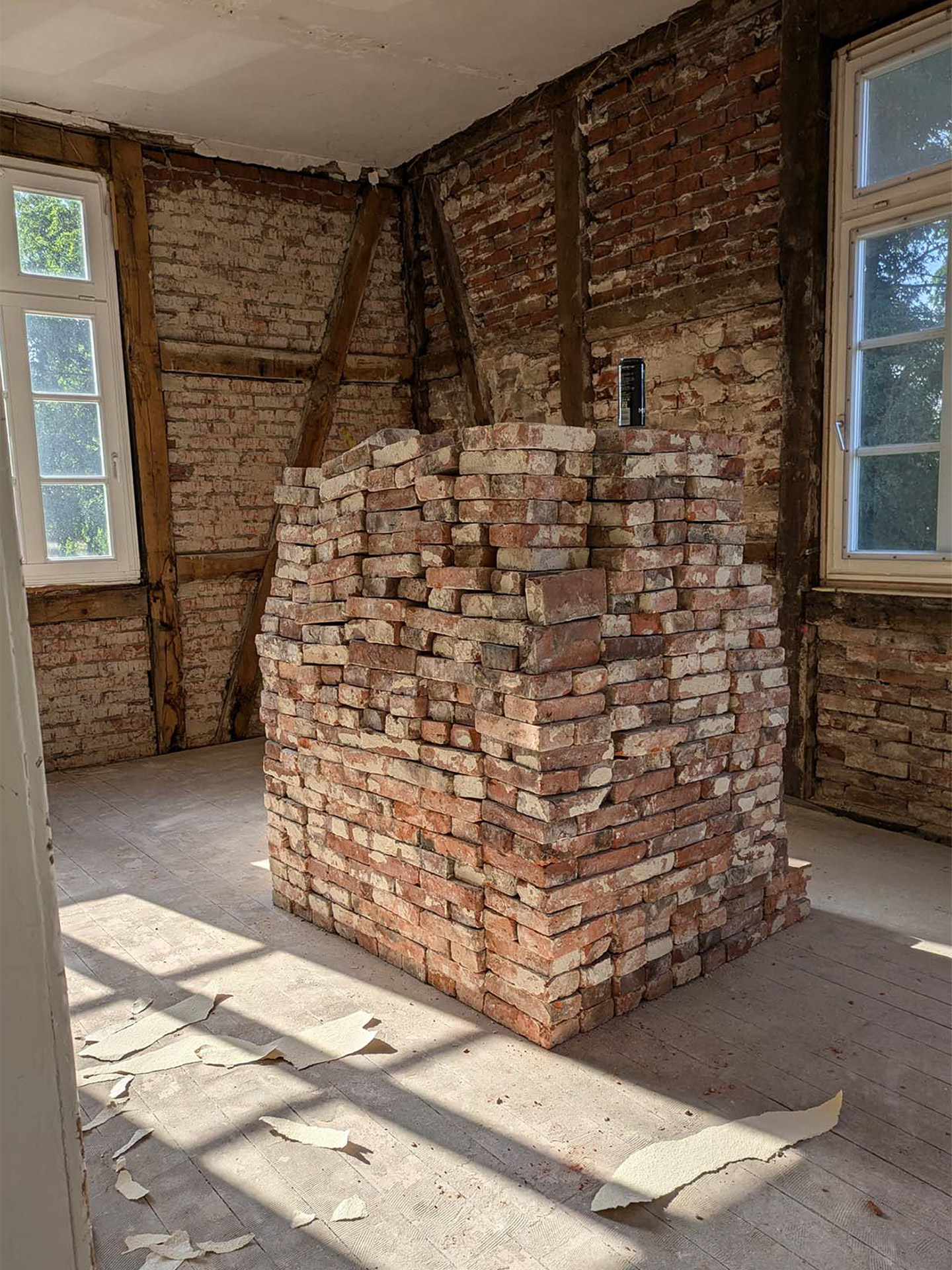
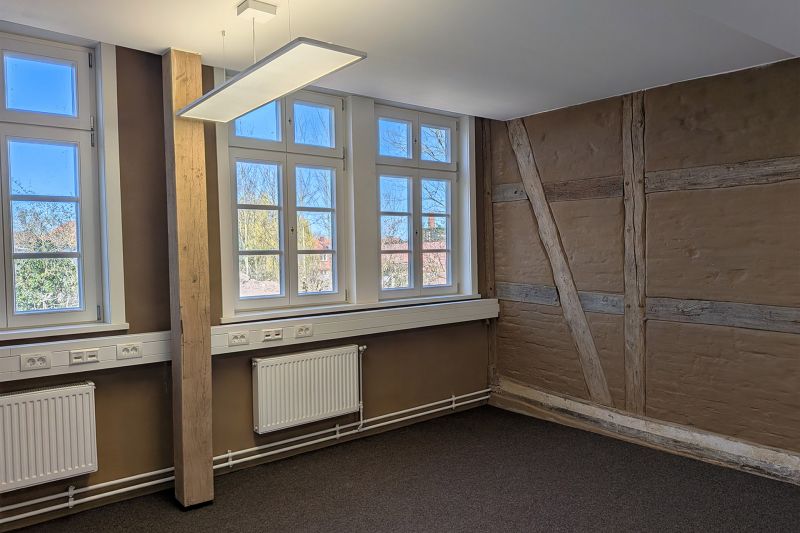
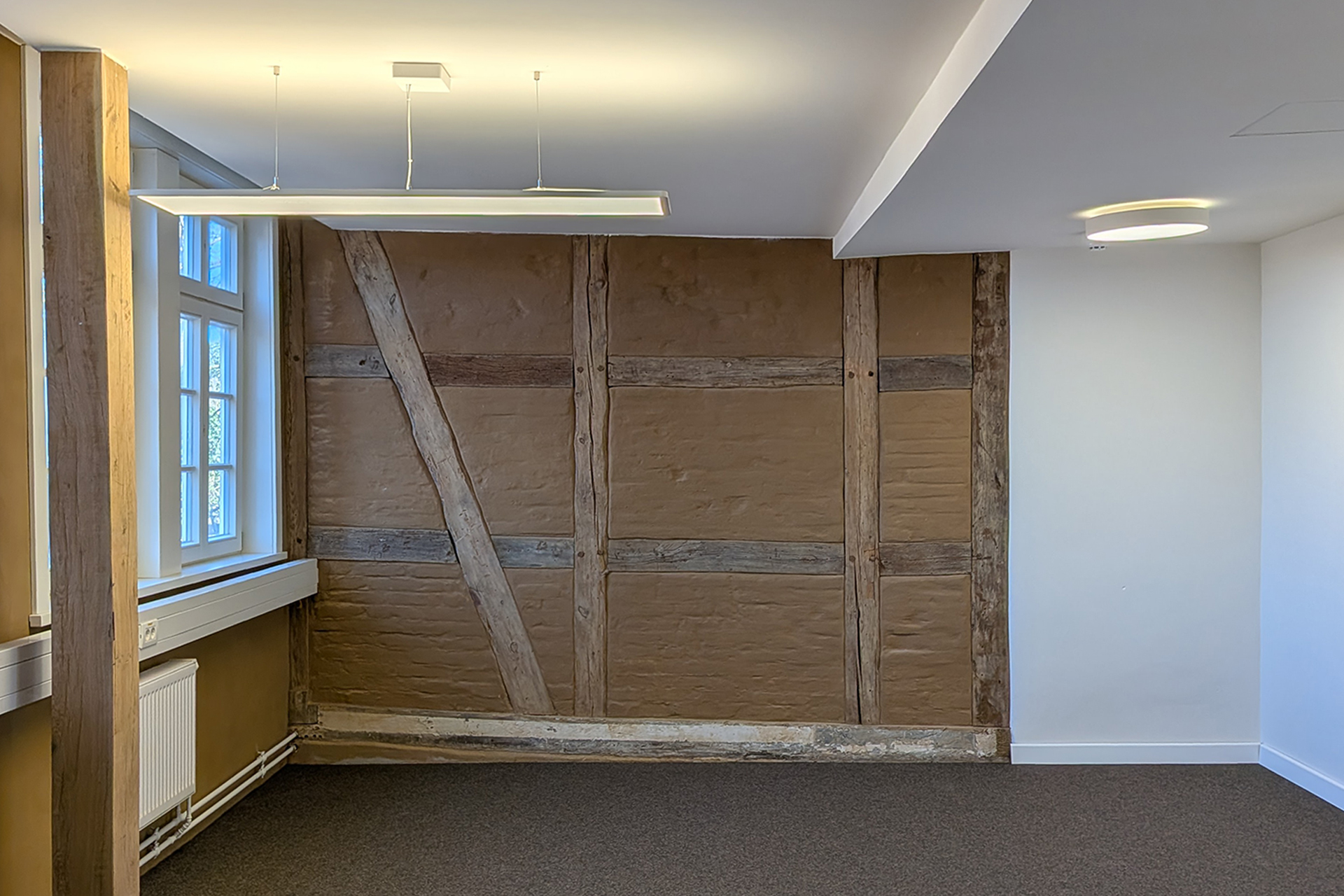
For a long time, the historic half-timbered structure lay hidden behind cardboard plasterboard. Now it is being revealed, showing itself in all its glory after more than 250 years. The wood shows its age and bears many scars. The clay bricks in the infill panels are clearly visible and form a striking relief beneath the applied clay slurry.
Rustic and ...
obviously beautiful!

It’s a Stegel!
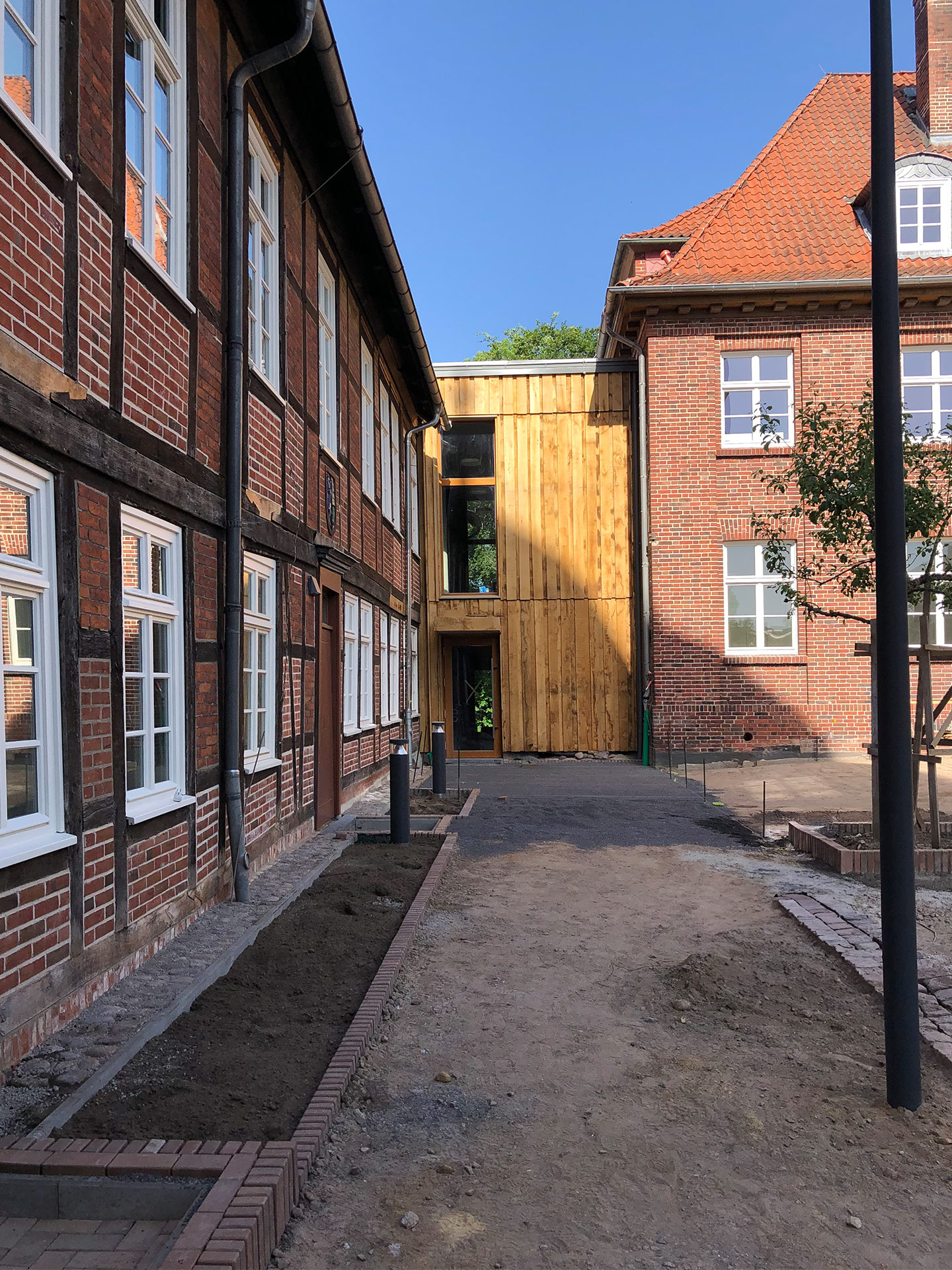
Stegel—that’s the name given to the traditional wooden walkways found along the eaves of buildings in this area. The new connecting structure, which will provide barrier-free access between the existing buildings, is a direct nod to this tradition. The historical reference to the Stegel is reflected in the vertically oriented oak façade. Upon closer inspection, further historical references become apparent: for example, the staggered levels of the floor-and-ceiling formwork or the stylistic transformation of the window sash and transom—in the new, over four-meter-high window that frames the Waldemar Tower across the way.
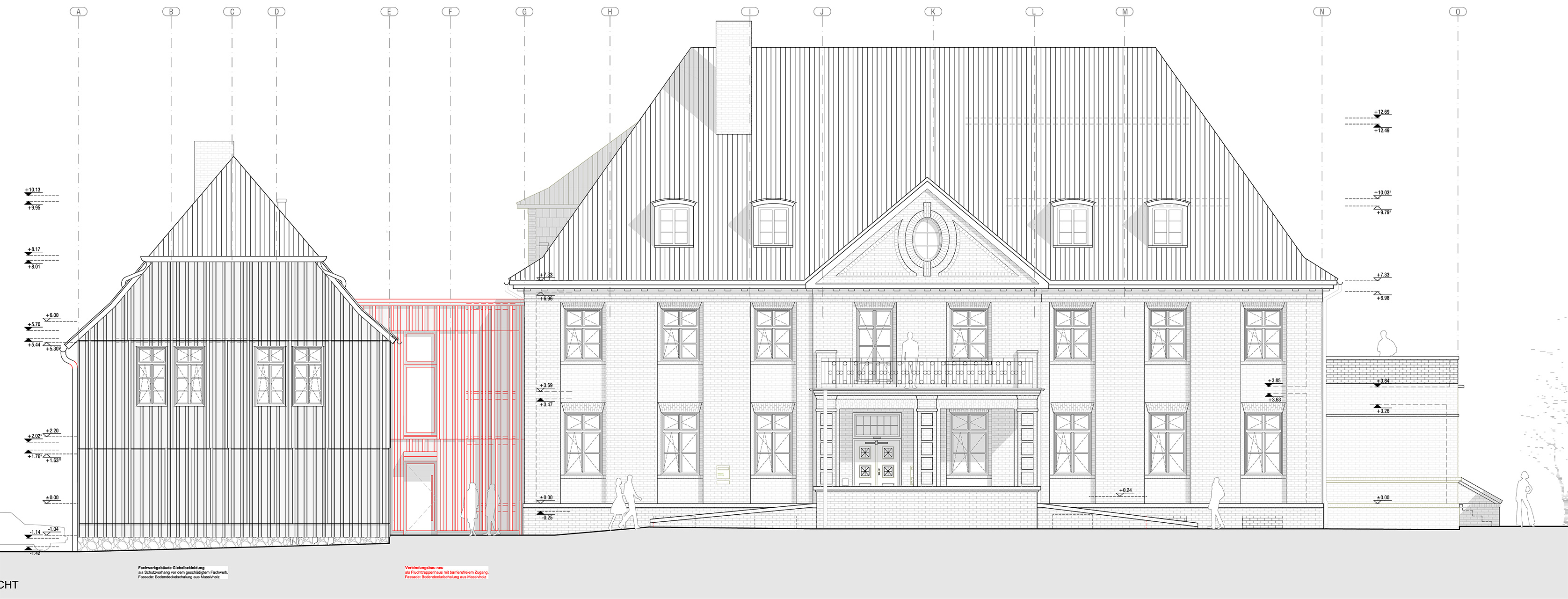
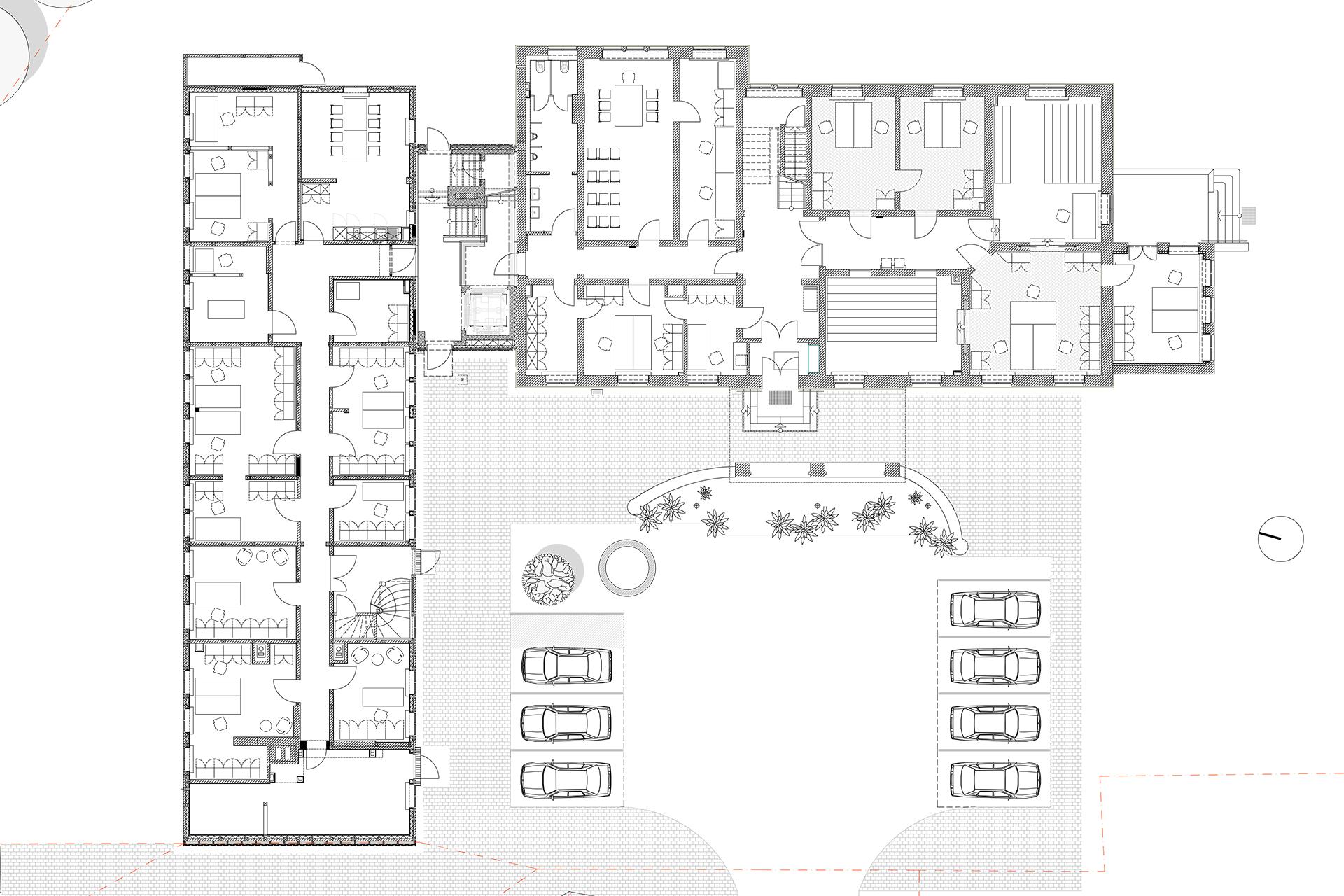
The new building between the masonry structure and the half-timbered building enables barrier-free access between the two. The west façade of the half-timbered building had been heavily exposed to driving rain; to protect it, it has also been fitted with a board-and-batten cladding.
Images & Plans: q:arc Architektur | Design